
Best Brokers For Extended Hours Trading 2026



Extended hours trading is both valuable and risky – swing traders don’t always want to wait for the opening bell, but pre-market and after-hours sessions play by different rules. One of the first things you’ll need is a broker geared up for swing trading outside regular hours.
We’ve rounded up the top brokers for trading during extended hours.
How SwingTrading.com Chose The Best Out-Of-Hours Trading Brokers
We selected the best brokers for extended hours by analysing which platforms offer access to pre-market and after-hours sessions, then testing order execution, liquidity, and spreads during these off-peak times.
By blending data on market coverage with our team’s hands-on trading experience, we highlighted brokers that make extended-hours trading both practical and cost-effective.
What To Look For In A Broker With Extended Hours Trading
Check What ‘Extended Hours’ Really Means
Extended hours trading usually covers two sessions:
- Pre-market: Before the regular open, often starting around 04:00 (EST).
- After-hours: After the close, usually until 20:00 (EST).
Not every broker gives access to the full range. Some only let you trade an hour before and after. Others open up the whole window.
As a swing trader, this matters. News and earnings often break outside of regular hours. Guidance gets released early in the morning. If your broker cuts off access too soon, you’re stuck waiting while the market moves without you.
Liquidity & Spreads
Prices in extended hours don’t behave like the regular session. Volume is low, spreads are wide, and one bad fill can erase what you thought was a smart swing.
If you try selling into pre-market strength on a small-cap stock, the spread can be so wide that your order may fill way lower than expected. You need to respect liquidity.
When comparing brokers, check two things:
- Do they route orders to good liquidity providers?
- Can you see Level 2 data in extended hours?
If your broker shows only basic quotes, you might not realize how thin the order book is until it’s too late.
Order Types That Actually Work
Not all order types are treated the same outside regular hours. Some brokers let you place limit orders only. Others allow market orders, but that can be risky when volume is thin.
So, when choosing a broker, ask:
- Are extended hours trades ‘limit only’?
- If not, do they warn you about the risks of market orders?
It sounds simple, but these rules can save you from major headaches.
Fees & Commissions Still Matter
Most brokers these days offer commission-free trading. But there can still be small fees tied to extended hours orders. Some brokers charge ECN or routing fees when you trade outside the main session. Others don’t.
These fees aren’t a deal breaker. A few cents here or there doesn’t matter as much as getting a clean fill when it counts. Still, if you’re someone who trades extended hours often, those cents can add up over time. Check the fine print before you commit.
I’ve seen how little fees in extended hours can sneak up. One trade doesn’t matter, but over a month of swing setups, the extra costs show on my statement. I’ve learned to pick brokers that are clear about what they charge before I hit submit.
Availability Of Stocks
This is one area people forget to check. Just because a stock trades in extended hours doesn’t mean your broker will let you access it.
For example, big-name tickers like Apple or Tesla can be traded fine pre-market, but smaller mid-caps can barely move because access is limited. Some brokers restrict extended hours to only the most liquid names, and others give you the full list.
If your swing trading style focuses on less popular tickers, make sure your broker actually allows them in extended hours.
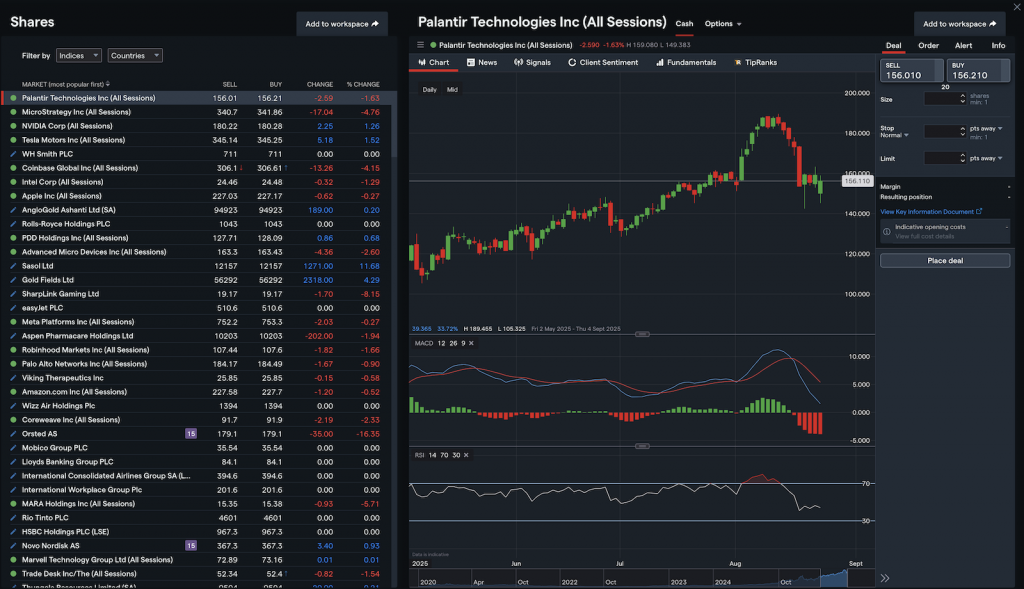
Trade 90+ top US stocks before and after hours at IG
Platform Reliability
Extended hours tend to bring volatility spikes, especially during earnings. The last thing you want is a broker platform freezing up right when you’re trying to exit.
So, beyond features, test your broker’s platform under stress. Try placing a small trade right after market close or at the morning open. If the system lags, it’s not a good fit for extended hours swing trading.
Final Thoughts
Extended hours trading isn’t for everyone. As a swing trader, you don’t always need to use it. Most of the time, you can let trades play out in regular hours where the volume is healthy.
But you might like having the option. When big news hits or when you need to adjust a position quickly, extended hours access can make a real difference.
Choosing the best broker for extended hours trading comes down to finding the one that fits you best. Some traders only care about pre-market. Others need full access until 20:00 (EST). Some want the lowest fees, while others prioritize data and routing.
The best broker is the one that gives reliable access, clear rules, and stable performance when the market is thin. If you find that, you’ll be in a good position to use extended hours as part of your swing trading toolkit.